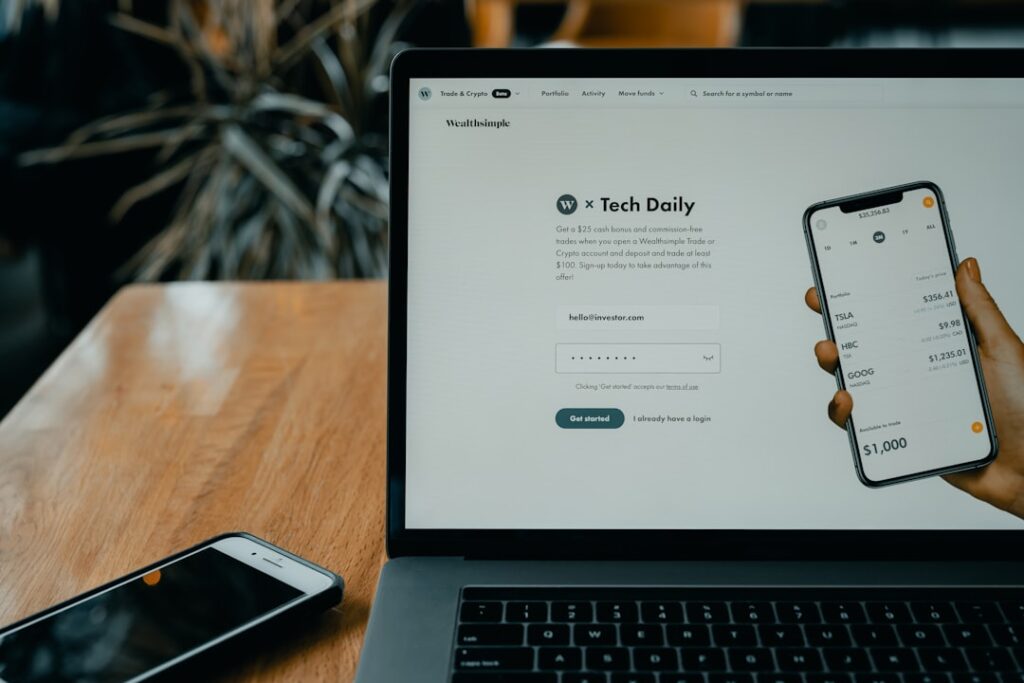

E-Commerce Platforms and Marketplaces

E-Commerce Platforms and Marketplaces

E-commerce platforms and marketplaces play a critical role in modern digital commerce. These solutions allow businesses to sell products or services online efficiently. E-commerce platforms are software tools that enable the creation and management of online stores, while marketplaces serve as online environments where multiple sellers can offer their goods. Each type has its advantages, depending on the business model.

An e-commerce platform provides full control over store design, inventory management, and customer experience. Users can customize the platform to fit their specific needs, offering a unique, branded shopping experience. On the other hand, online marketplaces connect businesses to large pools of potential customers. These platforms generally offer lower setup costs and attract high traffic but come with certain limitations regarding customization and fees.

Popular e-commerce platforms like WooCommerce and Shopify cater to businesses of varying sizes. They allow integration with payment gateways, shipping providers, and marketing tools. Marketplaces such as Amazon and eBay, on the other hand, simplify the selling process by handling customer trust, payment processing, and fulfillment logistics.

In today’s competitive landscape, choosing between an e-commerce platform and a marketplace depends on business goals, budget, and desired level of control. Both options offer significant opportunities for growth, but understanding their unique features is essential for success.

Learn How Secure Transactions Are Crucial For Online Businesses To Expand Their Customer Base And Increase Revenue, Discover The Importance Of E-Commerce Payment Solutions And How They Can Impact Your Business.
E-Commerce Platforms and Marketplaces, Payments and Checkout

E-Commerce Payment Solutions: Understanding The Importance Of Secure Transactions For Online Businesses

Secure e-commerce payment solutions form the foundation of any online shop that expects to survive beyond its first quarter. Buyers will abandon a cart the moment they suspect their card details might be exposed, and they will leave permanently if the checkout flow feels clunky. The architecture chosen dictates how smoothly orders move from basket […]


, , , , ,
Unlock The Secret To Driving Business Revenue With User Experience, Discover How UX Can Boost Customer Engagement, Loyalty And Ultimately Drive Growth In Today's Digital Landscape.
Design, User Experience and Emerging Technologies, E-Commerce Platforms and Marketplaces

U XD: The Foundation Of Business Success

user experience drives revenue when you stop treating layout as decoration and start treating it as a sales floor. Most online shops lose sales to friction that should be obvious. A slow checkout, a missing filter, or a payment gateway that breaks on mobile will quietly drain your margins. The shop owner who maps the

, , , ,
Optimize Your E-Commerce Website For Faster Load Times And Improve User Experience With Expert Strategies, Including Caching, Content Delivery Networks, Image Compression, And More.
E-Commerce Platforms and Marketplaces, Sales and Conversion

Improving E-Commerce Website Speed: Optimizing User Experience For Enhanced Conversions.

improving e-commerce website speed is rarely about chasing arbitrary benchmarks. It is about removing friction from the path between a visitor landing on your storefront and completing a checkout. When pages stall, shoppers leave. When they leave, revenue vanishes. The problem usually sits in the details. A single unoptimised asset can block rendering. A poorly

, , , , ,
Leverage The Power Of Multi-channel Event Discounts To Drive Sales, Loyalty, And Revenue Growth In Today's Competitive E-Commerce Landscape, Exploring Benefits, Types, Best Practices For Implementation, Case Studies, And Leveraging Data To Optimize Promotions.
E-Commerce Platforms and Marketplaces, Sales and Conversion

Channeling Savings: Multi Channel Event Discounts

Multi channel event discounts work when you treat every sales touchpoint as part of a single campaign rather than a separate promotion. You need to coordinate the timing, the messaging and the actual mechanics of the offer so that a customer moving from social media to your website does not encounter a contradictory price or

, , ,
Unlock The Power Of E-Commerce Augmented Reality Analysis To Enhance Customer Satisfaction, Drive Revenue Growth, And Increase Customer Lifetime Value (CLV) Through Immersive Product Views, Personalized Experiences, And Actionable Insights.
Analytics and Business Intelligence, E-Commerce Platforms and Marketplaces

E-Commerce Augmented Reality Analysis: Understanding Consumer Behavior Through Immersive Insights

Most online retailers treat product visuals as a static backdrop rather than a data source. When you introduce augmented reality analysis into your catalogue workflow, you shift from guessing which angles matter. Instead, you watch exactly how shoppers interact with scale, texture, and fit before they commit to a purchase. This approach maps physical inspection

, , , ,
E-Commerce Dynamic Content Delivery Made Easy: Enhance Customer Experience With Ai-powered Solutions, Boost Sales And Stay Ahead Of Competition With Personalized Content Delivery Systems
Design, User Experience and Emerging Technologies, E-Commerce Platforms and Marketplaces

E-Commerce Dynamic Content Delivery: Leveraging AI For Enhanced Customer Experience

Dynamic content delivery reshapes the storefront in real time, meeting the expectation that online shoppers do not wait for generic pages to load. They expect the site to recognise their past purchases, adjust pricing for their region, and surface items that match their current intent. A static catalogue quickly becomes a liability when competitors adapt

, , , , ,
E-Commerce Reduces Carbon Footprint: Explore The Sustainable Practices And Eco-friendly Solutions Used By Online Retailers To Minimize Environmental Impact.
E-Commerce Platforms and Marketplaces, Marketing, Branding, and Social Media

E-Commerce Boosts Sustainability

Online retail has fundamentally shifted how goods move from warehouse to doorstep, and managing an e-commerce carbon footprint requires operators to treat logistics as a design constraint rather than an afterthought. The conversation around digital trade often fixates on conversion rates and customer acquisition costs, yet the physical reality of moving parcels dictates a different

, ,
Optimize Your Shopify Shipping Costs And Reduce Expenses For E-Commerce Businesses With This Comprehensive Guide To Optimizing Shopify Shipping Costs. Learn How To Choose The Right Shipping Carrier, Implement Cost Optimization Strategies, And Save Money On Shipping.
E-Commerce Platforms and Marketplaces, Supply Chain and Logistics

Shopify Shipping Cost Reduction Strategies

Shopify shipping cost reduction demands a clear view of how your logistics actually work rather than chasing blanket policies. When parcels leave your warehouse, the charges attached to those movements either protect your margins or erode them. You need to map the journey from packing tape to customer doorstep, spot where extra fees accumulate, and

, , ,
Boost Conversion Rates And Improve E-Commerce Response: Strategies For Optimizing Online Sales Performance In A Competitive Digital Landscape
E-Commerce Platforms and Marketplaces, Sales and Conversion

Optimizing Online Sales Performance

Optimizing online sales performance requires you to treat every customer interaction as a data point rather than a transaction. Your storefront operates on a continuous feedback loop where response times, content clarity, and checkout friction directly shape revenue. When shoppers encounter delays in information or unclear product details, they abandon the process before reaching payment.

, , ,
Protecting Customer Data In Online Transactions: Implement An Effective E-Commerce Data Protection Strategy To Comply With Regulations And Build Trust With Your Customers.
E-Commerce Platforms and Marketplaces, Security, Compliance, and Risk Management

E-Commerce Data Protection Strategy

Understanding regulatory expectations An e-commerce data protection strategy sits at the centre of every transaction you process. When customers hand over payment details or shipping addresses, they expect that information to remain secure and used only for the purpose of fulfilling that order. Regulators in the United Kingdom and across Europe have tightened their scrutiny

, , ,
Scroll to Top