
Most online shops start with a basic storefront and quickly realise that standing still costs more than moving forward. The shift usually comes when you need to capture more value from visitors who already know what you sell, which is exactly how e-commerce freemium features operate. You offer a baseline experience at zero cost while layering paid upgrades for shoppers who want faster delivery, advanced analytics, or priority support. The model works because it lowers the barrier to entry, yet it demands careful design so the free tier does not cannibalise your margins.
What freemium models actually do for your store
A freemium approach splits your offering into two distinct tracks. The free track covers the essentials. It handles product browsing, basic checkout, and standard customer service. The paid track unlocks conveniences that some buyers will pay for and others will ignore. Deciding which conveniences belong in the paid tier happens before you build the free tier. If you give away too much upfront, you lose the incentive to upgrade. If you lock away basic functionality, you drive shoppers to competitors who offer a smoother entry point.
Standard shipping covers all orders while express delivery carries a charge. You could provide a basic product catalogue for free while charging for early access to new collections. The key is to map the free experience against your actual costs. Every free feature consumes server space, customer support time, or marketing bandwidth. Tracking those costs against the revenue the paid tier generates shows where the balance lies. When the free tier starts costing more than it brings in, you adjust the boundaries.
If you want to understand how to collect feedback from those free tier users, you should review online survey tools for businesses before you build your next feature set.
Choosing e-commerce freemium features that protect margins
Your free tier must attract attention without draining your resources. Start by listing every feature you currently offer and tag each one with its true cost. Some features cost nothing but time, like a detailed size guide. Others cost money, like free returns or priority queueing. You will quickly see which items belong in the paid upgrade.
Product comparison tools often reveal where the friction lies. When shoppers cannot see the difference between the free and paid experience, they stay on the free plan. Making the upgrade path obvious requires displaying the paid benefits alongside the free baseline. Show the extra speed, the extended warranty, or the dedicated account manager. Make the contrast visible on the product page and at checkout.
Deciding which product details to display for free needs a careful look at product comparison tools so you can see how other shops structure their listings.
Watching how customers move through the free tier reveals where friction appears. Some buyers will never upgrade. That is fine. They still provide word of mouth and social proof. Others will upgrade after a few purchases. Tracking which free features correlate with those upgrades shows where the real value sits. If a specific free tool consistently leads to paid conversions, you can invest more in that area. If a feature attracts only non upgrading shoppers, you might remove it or restrict it to new accounts only.
Implementing e-commerce freemium features without confusing buyers
Clarity wins every time. Shoppers should never wonder whether they are looking at a free plan or a paid plan. Your pricing page must separate the two tracks visually. Use different colour blocks, distinct headings, or side by side columns. Do not hide the upgrade button behind a menu. Place it next to the feature that triggers the purchase.
Managing access controls carefully prevents stock from bleeding. A free tier that allows unlimited downloads or repeated returns will drain your margins. Setting hard limits on what the free track can do protects your bottom line. Capping free returns at two per quarter keeps the experience useful without breaking the bank. Limiting free account creation to one per household stops bulk scraping. These limits protect your margins while keeping the free experience genuinely useful.
The checkout flow should never force a decision before the buyer is ready. Let them complete the free transaction first. Presenting the upgrade option as a post purchase offer or a subscription prompt respects the buyer journey while still pushing the upgrade. Offering a discount on the paid tier if they commit within forty eight hours gives them a reason to act now. This approach keeps the conversion path clean and avoids checkout abandonment.
Improving how shoppers perceive your store before they even click buy means examining brand awareness boost for online sellers to see how visual consistency affects trust.
Measuring whether the free tier pulls weight
Managing what you do not track is impossible. Set up a dashboard that separates free tier activity from paid tier activity. Watch the conversion rate on the free plan. Watch the average order value. Watch the return rate. If the free plan shows a high return rate and low order value, it is costing you more than it earns. Tightening the limits or redesigning the experience becomes necessary.
The paid tier should show a different pattern. Look for higher average order values, lower return rates, and faster checkout times. These metrics tell you whether the upgrade actually delivers value. Tracking the time it takes for a free user to become a paid user shows whether the relationship nurtures correctly. If that time stretches too long, the free tier is not moving the needle. Shortening the path to upgrade by adding targeted prompts at key moments fixes the stagnation.
Customer support tickets are another reliable indicator. Counting how many free tier users contact support compared to paid users reveals where the experience breaks. A spike in free tier tickets usually means the free experience is broken or misunderstood. Fixing the root cause instead of adding more support staff keeps overhead low. A well designed free tier reduces friction before it reaches your inbox.
When to phase out the free tier and push upgrades
Every business has a point where the free tier stops making sense. You might reach it when your infrastructure costs rise, when your margins shrink, or when your customer base matures. At that point, a migration plan becomes essential. Do not cut off free users overnight. Giving them a grace period maintains goodwill. Sending a clear email explaining the changes sets expectations. Offering a temporary discount on the paid plan eases the transition.
Preparing your marketing channels for the shift requires updating landing pages to reflect the new structure. Changing your social media posts to highlight the paid benefits keeps the narrative consistent. Training your customer service team to handle the increased volume of upgrade questions prevents frustration. A smooth transition keeps your reputation intact while you move the business toward a more sustainable model.
Start by mapping out your current free and paid offerings. List every feature, assign a cost, and decide which track it belongs on. Test the boundaries with a small segment of your audience. Watch how they react to the limits. Adjust the free tier until it attracts the right shoppers without draining your resources. Then push the paid upgrades with clear value propositions. Keep the process simple, keep the metrics visible, and let the data guide your next move.

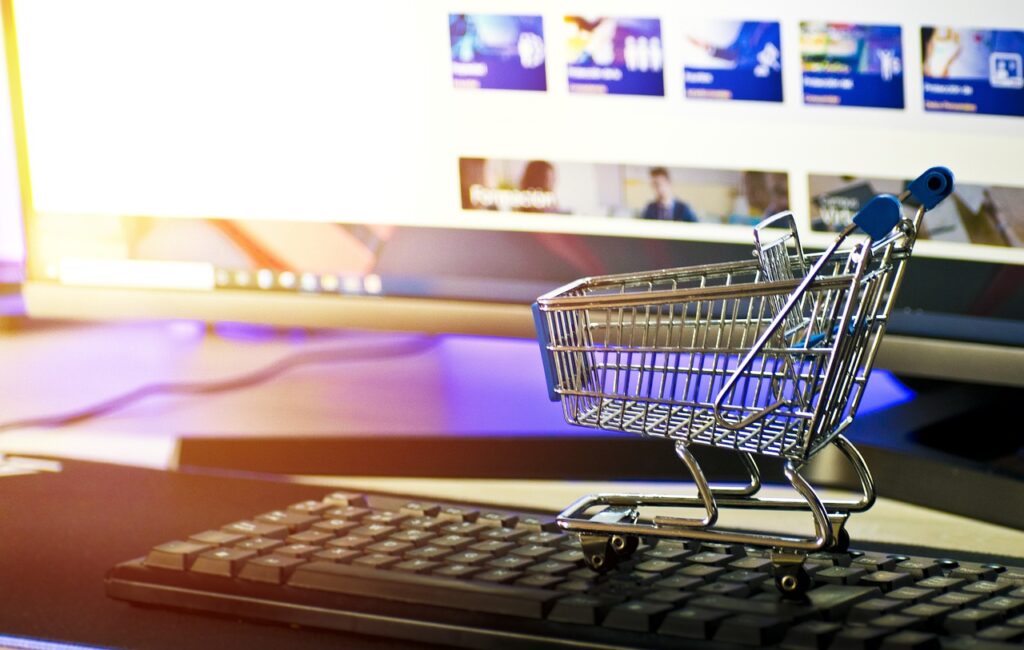
Photo by ThisisEngineering on Unsplash
You Also Might Like :

Pingback: Social Media Advertising Strategies For Social Media
Pingback: E-Commerce Retargeting Campaigns Re Engage Lost Sales
Pingback: Responsible Supply Chain Management Strategies
Pingback: Fraud Detection Tools E-Commerce
Pingback: B2B E-Commerce Strategies To Success
Pingback: E-Commerce Cryptocurrency Payments Options