Content distribution channels shape the context of every click. Most online shops treat payment setup as a backend task. They install a gateway, tick the compliance boxes, and assume the transaction will clear. That approach leaves money on the table because the way you present checkout options depends entirely on where your shoppers arrive from. A visitor arriving from a product review, a social feed, or a search result carries different expectations about how they should pay. Aligning your checkout flow with those expectations reduces friction and stops abandoned baskets before they happen.
Content distribution channels shape checkout expectations
Different platforms drive different behaviours. Shoppers who land from a video platform usually want speed. They have seen the product in action and expect a one tap purchase flow. Those who come from a long form article or comparison site often need reassurance. They want to see trust badges, clear return terms, and a breakdown of shipping costs before they enter card details. You cannot force a single payment sequence onto every visitor. You need to map the journey. Start by tracking which platforms deliver the highest conversion rate and which deliver the most drop offs at the payment step. If your social traffic abandons carts at the payment screen, the issue is rarely the gateway itself. It is usually the mismatch between the promise made in the ad and the reality of the checkout form.
Mapping platform traffic to payment methods
You should present the payment options that match the intent behind the traffic. A retailer selling through a marketplace like Amazon platform sales already benefits from a unified payment system, but your own store requires deliberate configuration. When a visitor arrives from a paid search campaign, they are often further down the funnel. They have compared prices and are ready to buy. Show them the fastest methods first. Place direct debit or digital wallets at the top of the list. Reserve traditional credit card forms for the second scroll. If you are driving traffic through a professional network, the buyer might be a business purchaser. They will need purchase order support or invoice terms. Configure your gateway to recognise the landing page source and adjust the visible options accordingly.
Handling mobile payment friction
Mobile browsers behave differently than desktop environments. The on screen keyboard obscures form fields. Typos increase when shoppers type card numbers into a virtual keypad. You must enable autocomplete and format the input fields to match the card issuer standards. Do not ask for unnecessary verification steps on mobile. If your gateway supports tokenised payments, use them. Store the secure reference after the first successful transaction and allow returning mobile shoppers to check out with a single tap. This reduces the time between decision and payment. A slower checkout on a small screen guarantees a higher abandonment rate.
Using content distribution channels to test payment layouts
You should treat your payment page as a living document. Change the order of methods based on performance data. Put the most used option at the top. Remove methods that consistently show zero conversions after thirty days. If a specific platform drives traffic that prefers a particular gateway, create a landing page that highlights that option. You can track which source delivers the highest average order value and adjust your payment configuration for that segment. The goal is to reduce the number of clicks required to complete the transaction. Every extra field or confirmation step costs you sales.
Integrating inventory visibility with payment routing
Payment failures often stem from stock issues rather than gateway errors. If a customer selects a payment method and the system rejects the order because an item is out of stock, the shopper will leave. You need to sync your inventory management with your checkout flow. When a product reaches a low stock threshold, update the payment options available for that line item. You can improve this process by optimising your e-commerce store with effective return policy best practices and inventory visibility tools. A transparent stock status prevents payment attempts on unavailable items and keeps the checkout path clean.
Aligning brand messaging with payment trust signals
The visual design of your payment section must match the tone of the channel that brought the visitor. A premium brand arriving from a lifestyle magazine should see a refined, minimalist payment form. A discount retailer driving traffic through social feeds can use bold, high contrast buttons. Trust signals should be placed near the submit button. Show security certifications, payment partner logos, and a clear link to your return policy. These elements reduce anxiety at the final step. You can also optimise multi channel selling by ensuring that the payment experience remains consistent whether the shopper comes from your main site, a marketplace, or a social storefront.
Managing payment failures and retries
Gateways decline transactions for many reasons. Insufficient funds, expired cards, or fraud filters will block a sale. Your system must handle these failures gracefully. Do not show a generic error message. Display the specific reason and offer an alternative payment method immediately. If a card fails, prompt the shopper to try a digital wallet or a buy now pay later option. Keep the cart intact. Do not force them to rebuild their selection. A smooth retry flow recovers sales that would otherwise be lost. You can optimise in app purchases and apply the same clarity to web checkout flows.
Content distribution channels and long term payment strategy
Your payment setup should evolve as your traffic sources shift. Seasonal campaigns require different methods than evergreen product pages. A holiday promotion might benefit from gift card options, while a B2B partnership could require invoice terms. Review your payment analytics quarterly. Look at which channels deliver the highest lifetime value and tailor the checkout experience for those segments. Do not chase every possible payment method. Focus on the ones that actually convert.
Building a reliable payment foundation
The technical side of your gateway must be stable. Test your checkout flow across different browsers and devices before launching a new payment method. Check that webhooks process successfully and that order confirmations trigger immediately. If your payment processor experiences downtime, have a manual fallback ready. Record the transaction and email the customer a secure payment link. Reliability builds trust. A consistent checkout experience reduces support queries and keeps your team focused on growth rather than firefighting.
Leveraging professional networks for payment trust
A company like Shoestation Ltd profile demonstrates how professional networking can reinforce payment credibility. When you connect your checkout flow with verified business profiles, shoppers recognise the transaction as legitimate. Display the verification badge near the payment submit button. This simple addition reduces hesitation and increases completion rates.
Map your traffic sources to the payment methods they prefer. Remove friction from the final step. Keep your checkout forms short, your error messages clear, and your trust signals visible. Review the data every month and adjust the layout based on what actually converts. A streamlined payment process does not require every possible option. It requires the right options presented in the right order. Start by reviewing your top three traffic sources and redesigning the checkout flow for each one. The result will be fewer abandoned carts and a higher proportion of completed sales.

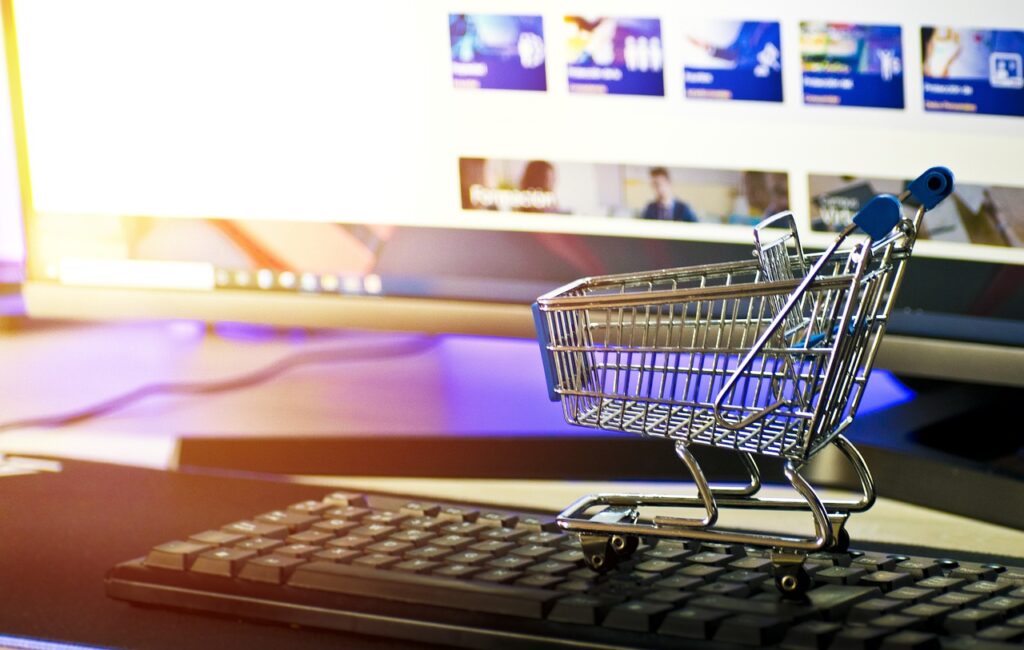
Photo by cottonbro CG studio on Pexels
You Also Might Like :
Understanding The Impact Of Regulatory Changes On E-Commerce Shipping Time Estimates